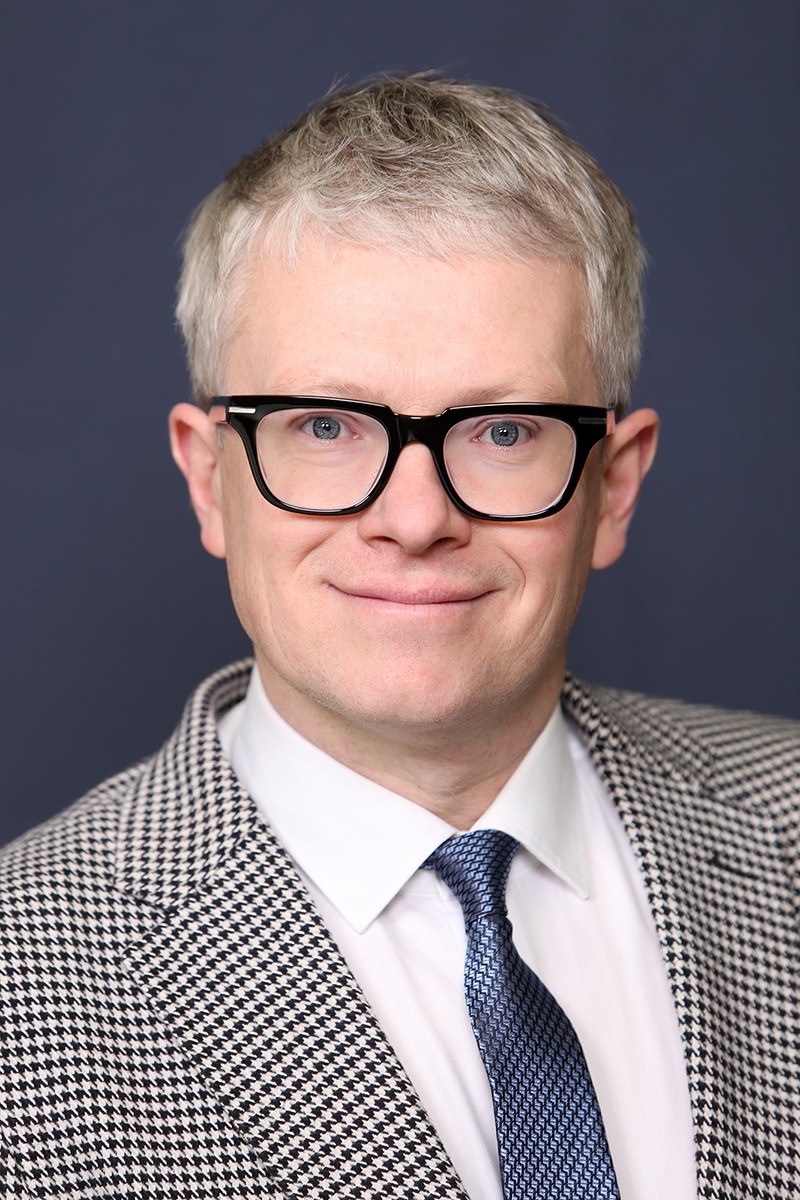
JANEK MÄGGI: Get Rid of Your Money as Quickly as Possible!
14.05.2026
, Postimees
· At the moment, the number of lunatics in Estonia’s public life is wildly above average.
· Entrepreneurship does not seem particularly popular; begging for subsidies does.
· Estonia’s biggest problem is people who sit around doing nothing and get paid for it.
Estonia does not have many options for boosting its economy. When times are bad in Finland and Sweden, things in Estonia soon get considerably colder too. When Russia invades Ukraine, investors lose their optimism – or, more precisely, optimism is replaced by fear. They stop investing in Estonia and other Eastern European countries and are more likely to flee the region altogether. News that Estonians have once again bought something back should inspire not only joy but also caution. If we start seeing a lot of such news, it points to companies being sold off cheaply, not to Estonians suddenly becoming more manly, writes Janek Mäggi.
The issue is not an actual military threat, which today is relatively small, but the mood in society. If growing pessimism dominates the entire market, money stops circulating, nobody commissions work and therefore nobody does any work either. The result is stagnation.
There is no point in cursing the government because it can only distribute what exists. But if the government has virtually no free money at its disposal – an absurdly large part of the budget is indexed – then opposition politicians may well say, like Mõhk in Nukitsamees: “If everything was missing before and now everything is here, then surely there must be too much of everything!” By the time they have warmed the chairs in Stenbock House, however, everything will be missing again.
Estonia cannot steer global processes. We simply have to accept that from time to time fuel prices will be sky-high, that sometimes people will be unemployed or businesses will go bankrupt, because there is no person wise enough to foresee everything that can happen in the modern world.
By adapting calmly and systematically, it is possible to survive miserable times, so that when better times arrive, you can immediately start preparing for the next miserable ones. You must not leave the haymaking undone in summer, even if you would rather sunbathe and make merry.
All whining, of course, is the work of the devil. I once asked a psychiatrist I know how you can tell whether someone is crazy. He replied: “Well, look, the first question is whether they are capable of being a taxpayer. Can they cope in society, can they function? The second sign that something is wrong is: ‘Everyone else is to blame.’”
At the moment, the number of lunatics in Estonia’s public life is wildly above average: people do not want to pay taxes, but they very much want the benefits. And everyone else is to blame because there is no butter to spread on the bread – or no bread at all.
There are, of course, some things that could help stimulate Estonia’s economy, but for that to happen people – consumers as well as producers and service providers – would have to change their habits, which they are not especially keen to do.
Quite a lot of money is taken out of the country. Beer comes from Latvia, new clothes are bought on foreign trips, and wealthy people’s second homes in Spain mean that a great deal of money is left there. The people who take money out of Estonia are precisely those who have it, and they are not particularly eager to bring it back. They also invest elsewhere, where it feels safer.
Because there is always too little money, there are few tourists and they do not spend enough, while locals live more frugally, restaurants and other small businesses close, and fewer people than necessary want to start new ones. Entrepreneurship does not seem particularly popular; begging for subsidies does.
It is true that many prices in Estonia are higher than in Finland or Germany, yet this still does not ensure that businesses function any better. In small towns, prices in local shops can be astronomical compared with supermarkets in Tallinn. And still it does not help, because there is no turnover.
The conclusion is not difficult: do as much as you can, be satisfied with what you have and hope that tomorrow will be brighter. What we should really encourage is entrepreneurial spirit – the kind that does not merely shuffle around the money already circulating in the Estonian market, but brings additional money into Estonia from the wider world.
Still, it is extremely important to get rid of your money as quickly as possible, because money is most valuable at the moment you receive it. Tomorrow, its purchasing power will already be somewhat lower.
Estonia’s biggest problem is people who sit around doing nothing and get paid for it. I walk into a restaurant and I am the only customer. I immediately understand that things are not going well here: money is being burned, no value is being created. Soon the “shop” will be closed.
The faster money circulates in Estonia – moving from one hand to another – the more work gets done and the more value is created. Life gets better. The same amount of money, say €1,000, can accomplish a tremendous amount if it moves from hand to hand at maximum speed – then it is working.
Money does not merely make the wheels turn; it puts people to work and increases the wellbeing of society as a whole.
So give it away already!
And stop whining!
2587062